Why I am a Vegetarian

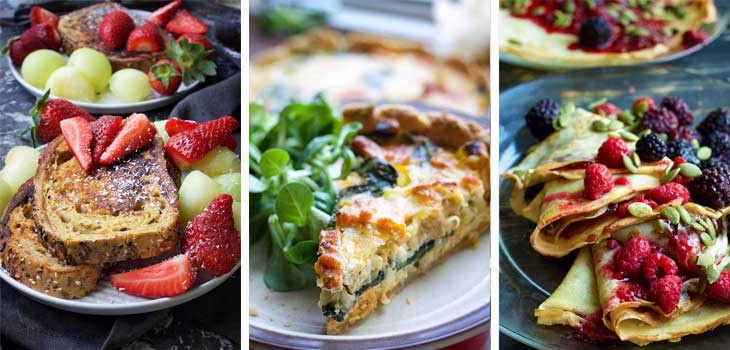
The first time I ever heard the word “vegetarian” was when I was in 5th grade and my older brother decided to become a vegetarian. What was his reason? He just wanted to see if he could do it for a month. That month turned into 12 years and he has never looked back on eating meat again.

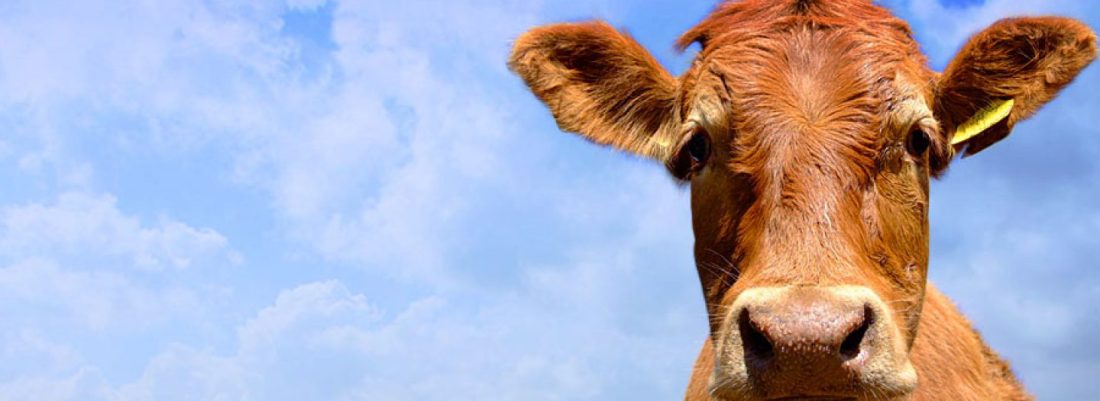
Fast-forward to when I was a junior in high school, I watched “If Slaughterhouses had Glass Walls” narrated by Paul McCartney on YouTube. It was hard for me to watch the horrors of how farm animals were treated in factory farms. So, I went vegetarian for a day, then gave up on it. One year later, I was revisited by the idea of vegetarianism when I was interested in learning more about Buddhism. Their way of thinking is to try to not harm any living beings because of self-control and that we do not need to eat them in order to survive and thrive. So, I did more research on vegetarianism and found out how consuming meat can not only lead to health problems in the body, but can also lead to environmental problems. According to an article by George Lakoff called “Why it Matters How We Frame the Environment”, animal agriculture is the number on cause of global warning. So, I made a choice to not eat or buy meat if this is the current conditions of factory farming.

I will state that I do not judge on what people choose to eat. My only wish is that people educate themselves on where their food comes from.

Article referenced: Lakoff G. (2010). Why it Matters how we Frame the Environment. Environmental Communication4(1), 70-81.

Fermented Foods for a Healthy Gut!

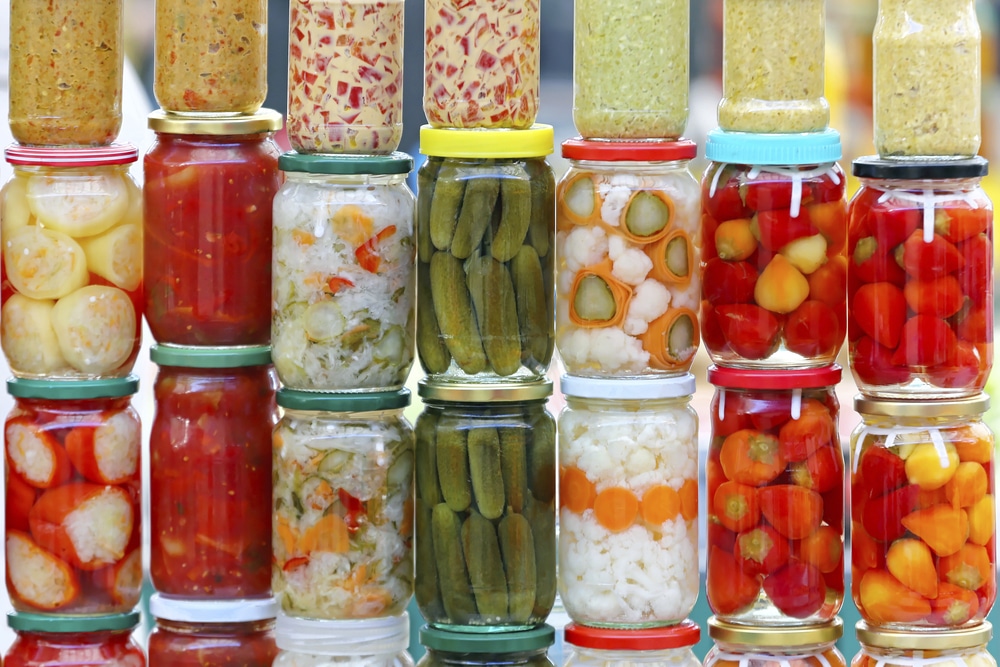
Have you ever wondered how people used to preserve their food without refrigeration or freezing back in the day? Fermentation was the way to go!

Fermenting foods is very popular in most Asian countries and a lot of other parts of the world. You may have heard of kimchi, sauerkraut, pickles, kefir, and the recently trending kombucha (fermented tea). The fermenting process was and still is a great way preserve food and preventing waste.

Fermented foods are also very good for your gut! Fermented foods are chock full of probiotics, which is microorganisms that can help improve the microbiome of your gastrointestinal tract (your digestive system).

To start any fermenting process, you just need to add a lot of salt. One of my favorite fermented foods is sauerkraut, which is fermented cabbage. To make sauerkraut, you chop up a cabbage head into shredded pieces, then you add it to a bowl and sprinkle a lot of salt all over it. Then, you are going to want to squeeze the cabbage to get all its moisture out. Get a jar that can be sealed tight and put the cabbage into the jar pushing it towards the bottom so that liquid sits on the top. After that is the easy part, just wait! It’ll will take a week or two for the fermentation process to be complete. I provided an entertaining video by Munchies to show you how the process is done.

For more information about probiotics and fermentation, click on the link for an article by registered dietitian Robin Foroutan https://foodandnutrition.org/winter-2012/history-health-benefits-fermented-food/ 

Photo by https://www.drkellyann.com/why-you-need-to-add-fermented-foods-to-your-diet/

Ramadan and Fasting

Imagine not being able to eat for 17 hours each day for 30 days straight. This is normal for Muslims the practice Ramadan on the 9th month in the Islamic calendar.

Ramadan is a time for giving and focus. Muslims who practice Ramadan will abstain from eating and drinking between dusk through dawn in honor of the Prophet Muhammad and the reveal of the Qur’an. The purpose of the fast is increase one’s self-control. The video below does a great job explaining what Ramadan is.

What are the potential harms or benefits of fasting?

In the article “Effects of intermittent fasting on body composition and clinical health markers in humans” by Grant Tinsley, fasting is shown to promote weight loss, body fat loss, and lower cholesterol. However, fasting could lead to feeling lethargic, nutrient deficiencies, and it is harder to maintain weight once fasting is over.

The Academy of Nutrition and Dietetics states in an article that when carbohydrates from food is not present in the body, glycogen from the liver is used to provide us energy! However, this can only last for about 24 hours. Luckily, since Muslims can eat once the sun has set, they will eat carbohydrate rich foods.

This practice can be a good way of practicing self-control and having a more appreciation towards your food! You can learn more at the links provided.

https://www.eatrightpro.org/news-center/in-practice/dietetics-in-action/the-ramadan-fast

http://www.bbc.co.uk/religion/religions/islam/practices/ramadan_1.shtml

https://doi-org.ezproxy.uky.edu/10.1093/nutrit/nuv041

Photo by: https://www.independent.co.ug/ramadan-start-saturday-saudi-uae-uganda/

What is Kosher?

What exactly is Kosher? I used to think it was just a food item prepared with Kosher salt but I was way wrong.

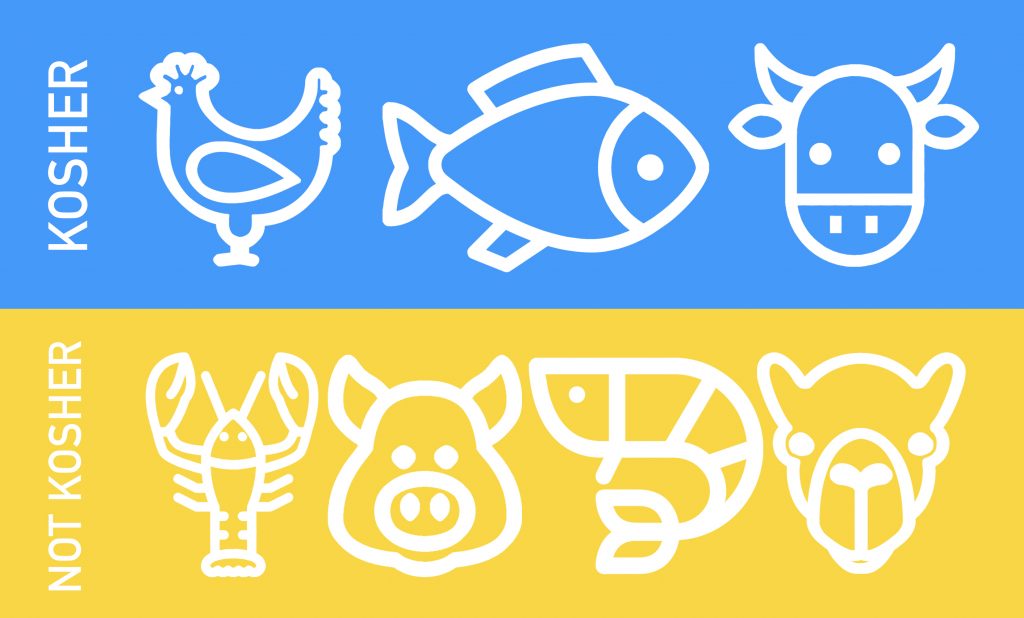
Kosher is when a food item meets the dietary standards of the Jewish Law. Some of the main standards include not eating certain animals that have cloven hooves and cannot regurgitate cud (e.i. pigs), cannot eat milk and meat together and utensils must be cooked separate between the two, and all blood must be out of the meat (which is why kosher salt is used). All fruits and vegetables are considered Kosher unless bugs are crawling on/are in them.

As it states in the article, Kosher is not a certain style of cooking, any type of dish can be considered Kosher as long as it follows the guidelines mentioned.

This video can help us understand why these dietary practices are taken place.

These practices are sacred to the Jewish community. It is important to respect and understand this diet, especially for dietitians and nutritionists when coming across a Jewish patient.

Learn more at http://www.jewfaq.org/kashrut.htm

photo by https://www.bumblebar.com/learn-kosher/

Let Us Throw a Luau

When I was younger, I had the opportunity to live in Hawaii for 3 years because my dad was stationed on Hickam Airforce Base. While I was there, I was able to learn a lot about the culture. One thing I remember most about my time in Hawaii was the Luaus, and there is an interesting history about them.

In the early 1800s, men and women ate separately and the poor were prohibited to eat certain delicacies because of religious beliefs. It wasn’t until King Kamehameha II changed that tradition and allowed everyone to eat together, calling the event a Luau.

From what I remember, Luaus were this huge feast that served traditional Hawaiian dished like a roasted hog and poi, which is crushed corm from the taro plant consisting of a liquid substance (I disliked poi as a child). It was basically like a Hawaiian Thanksgiving but you could have one at any time of the year.

Some of the other items include fresh and salt fish, rice, chicken, a fruit (mostly pineapple), so you would get a well-rounded meal going to these events.

Here is a perfect video to sum up the Luau traditions.

Learn more at http://www.hawaii-luaus.com/history-of-hawaiian-luau/

photo by https://www.disneyaulani.com/activities/luau/

The Rastafarian Philosophy on Food

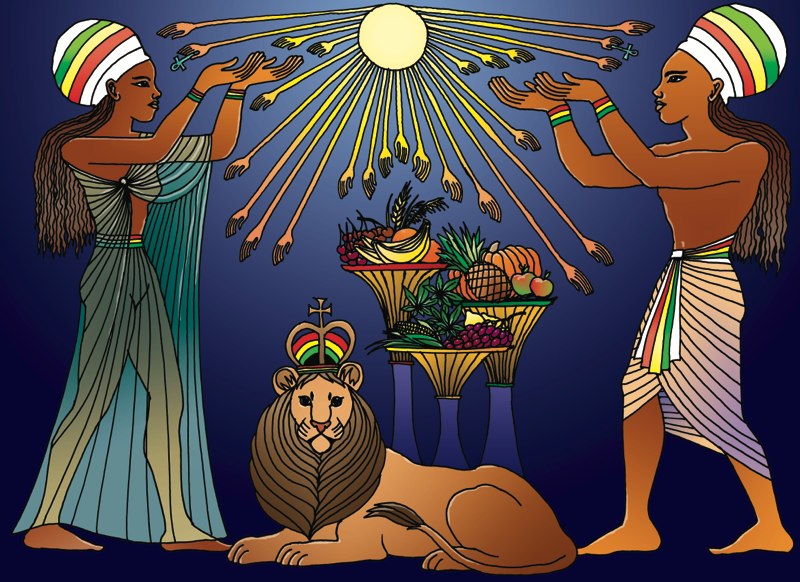
Similar to the Jainism philosophy, Rastafarian followers choose to respect all aspects of life by following an eating pattern of mostly fruits and vegetables. There eating pattern is called “Ital”, a term given by their god Jah, which is mostly homegrown, fresh and organic produce.

Followers tend to stray away from salt because they believe it’s a product that is bad for the body and heart. So instead, they use spices and herbs to enhance the food of its natural flavors.

The Ital philosophy advocates self-sufficiency. Followers should rely on locally grown food or self-grown food so they are not dependent on food imported to them.

The Rastafarian follower being interviewed in this video explains why he sees the earth as his mother. The food grown from the earth provides him all the nutrients he needs so he doesn’t have to kill or harm animals, or what he likes to call his friends.

Learn more at https://www.alimentarium.org/en/magazine/world-flavours/rasta-fare

Photo by Lois Cordelia http://www.loiscordelia.com/

The Problem-Free Diet

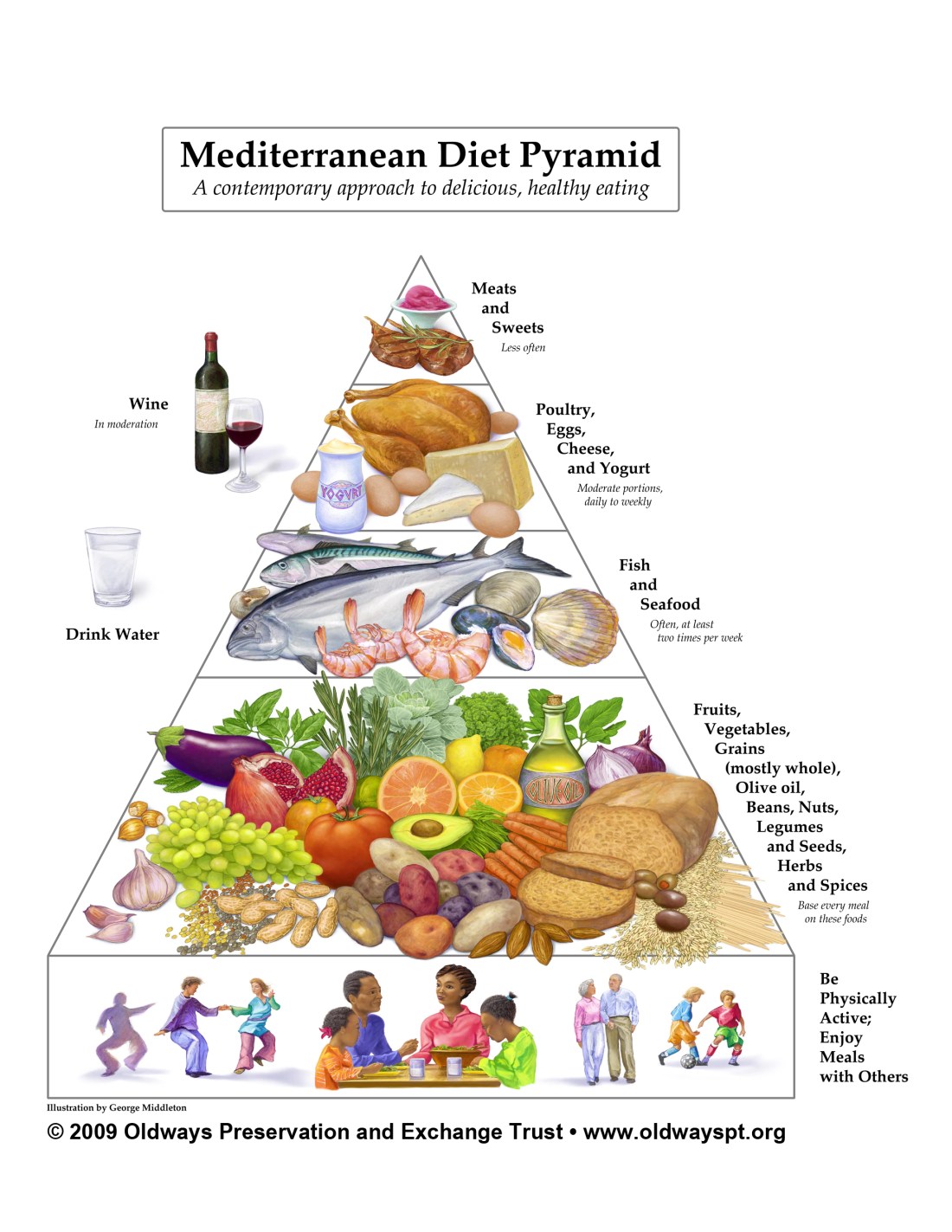
The Mediterranean diet is a hot topic in the news as more and more people are interested how Mediterranean people value their food.

An eating pattern rich in unsaturated fats, fruits, vegetables, legumes, and red wine are showing scientific results in a decrease in chronic diseases like diabetes or cancer. Red meats and sugary foods are saved for only special occasions.

This life-style can also leave a huge impact in the improvement of climate change. Since there is an increase in plant intake and a decrease in red meat, factory farming wouldn’t have to raise as much livestock that produces greenhouse gases. This Vox video does a great job explaining more about it.

Learn more at https://health.usnews.com/best-diet/mediterranean-diet

Photo by the mayo clinic

How Should We Value Our Food?

The goal of Buddhism is to find enlightenment. The philosophy is a guide to help you find enlightenment using the eightfold path and following the five precepts. Focusing on the fifth precept which is to obtain a pure mind.

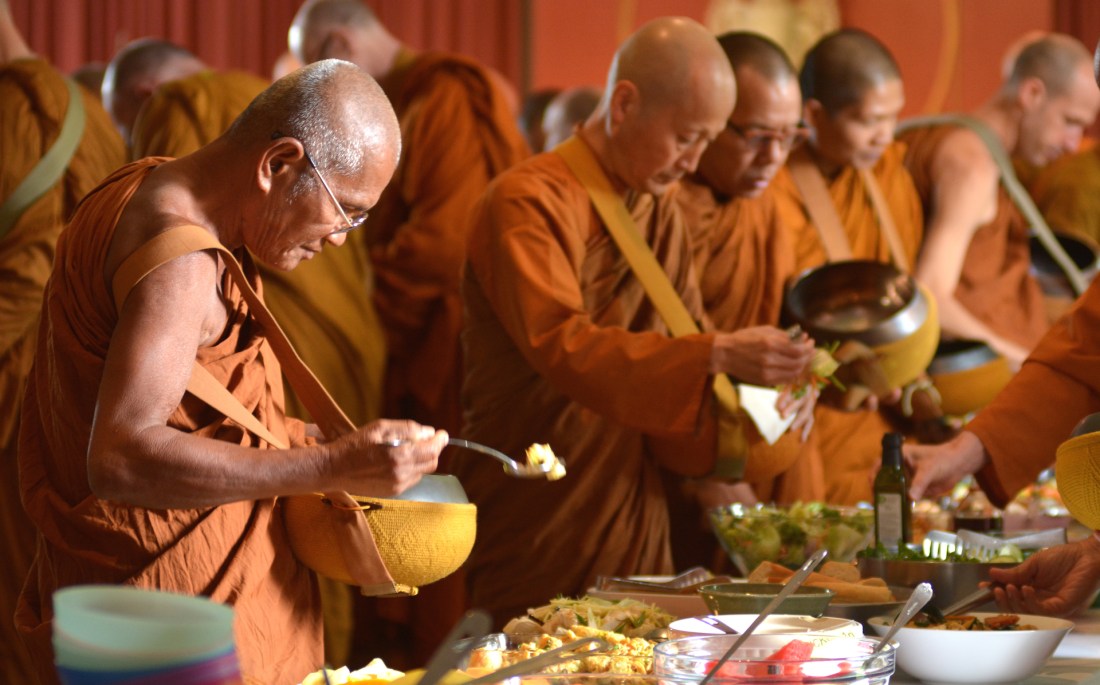
Buddhist monks view food as a tool to help nourish and fuel the body, and only that. They believe that food should be bland and that they should pick the option that’s most nutritious for their bodies. Also, to not overeat and chew slowly, as overeating causes oneself to feel tired and lazy.

This 4-minute video explains how Thai Buddhist monks obtain their food every day. They are not allowed to buy their own food. They can only be given food by locals.

Is it okay to feel pleasure from eating food or is it a block to achieve true happiness? Everyone views happiness in a different way, however, this way of thinking could help you appreciate food on a whole other level.

Learn more at https://www.livestrong.com/article/199735-buddhism-diet-laws/

photo by: https://www.amaravati.org/visiting/food-dana-offering/

Slow and Steady Beats Obesity

The French have the right idea when it comes to their eating habits and the way that they value their food and their time eating it.

The French are notorious for spending hours eating a meal. They usually eat three meals a day with no snacking in between. Each meal consists of three parts, the starter, the entrée, and the dessert, and they are typically in small portions. According to this article, the french will spend two and a half hours a day eating. https://www.thelocal.fr/20160503/what-france-can-teach-the-world-about-healthy-eating-diet-french-food-cuisine-

It is important for everyone to eat together. They are using this time to enjoy the company of others around them and to appreciate the flavors and textures of their food.

So, what makes this different from our eating habits in America? To start, we tend to eat food like it’s a chore. We eat large portions in a short amount of time so we can fill ourselves up and a lot of the time, we eat by ourselves. With the large portions, we feel as if we have to finish it all in one sitting, even if we are full.

Is this way of eating the right way? This two and a half video by Anne Lipscomb agrees with this philosophy of eating.

Photo by Gourmandelle: https://gourmandelle.com/french-cuisine/

Eating Potatoes is Murder?

Jainism is a very old, non-theistic religion based in India that practices non-violence on any living creature.

A Jain typically restrains from eating anything that had the potential of becoming life. This includes all forms of meat, eggs, and even root vegetables like garlic, onions and potatoes. The reason for not eating root vegetables is because you would have to take out the entire plant and it would never have another opportunity to grow.

A typical diet for them follows the vegetarian life-style apart from root vegetables. However, because of modern day farming, a lot has transitioned into veganism due to the violence on animals.

Is this a healthy life-style to follow? It is harder to obtain the amount of protein from not eating eggs or meat but can be done with beans and nuts. You will also not be able to cook with onions or garlic which can give a lot of flavor to dishes.

I used to work at a pasta restaurant and I remember a customer making a specific request to not use any sauces with onion or garlic powder, which was very hard to do considering almost all of the sauces had one of those two things. So, I made her a pasta dish with oil, salt and pepper with tomatoes, spinach, and mushrooms.

This video by OWN is a great source to learn more about the fascinating religion.

Learn more at http://www.jainpedia.org/resources/jainism-faqs/contentpage/4.html

photo: https://www.hinduwebsite.com/jainism/jain_philosophy.asp